
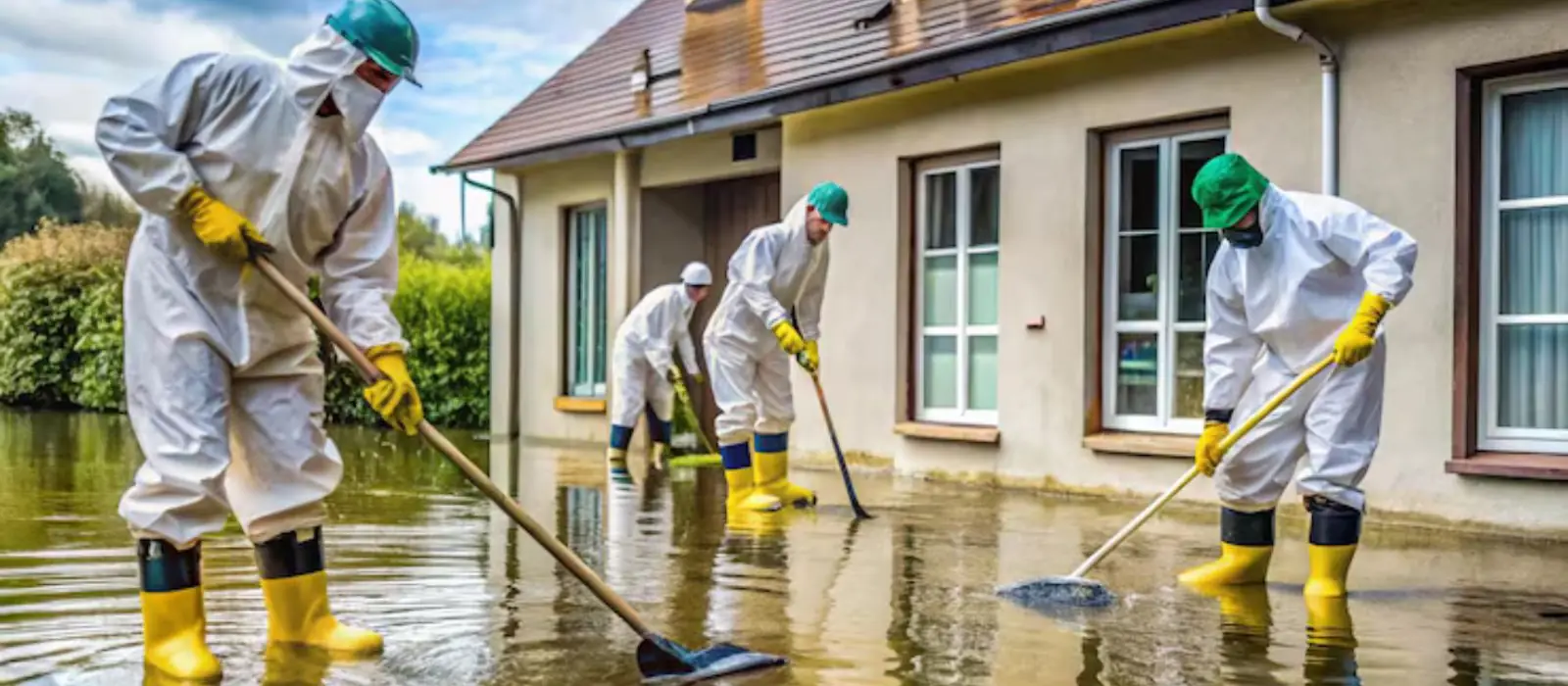
Flooding is an emergency for two reasons. The volume of water is usually large, and the water itself is often contaminated. The 24/7 line is open, and a crew is sent the same day when one is available.
If water is entering from outside, a drain or the sewer, keep people and pets out of it, stay away from outlets and appliances, and call. Flood water is treated as Category 3 until a crew shows otherwise, which means it can carry contaminants from the street, the soil or the sewer.
When flood water is an emergency
Any water that came from outside the building, a floor drain or the sewer is an emergency. It carries what it passed through, and it keeps rising or soaking in while you wait. Water that has been standing for a day or more is also handled with extra care, even if it started clean.
The line asks a few quick questions: where the water came from, how deep it is, whether power is on in the area and whether anyone is in the water. Those answers decide the first instructions you get and how the crew is equipped.
Do not wade into flood water near power
Do not step into flood water that may be energized. Leave the area if the water is touching outlets, appliances or the electrical panel, and call 911 or the utility before you call the restoration line. If you must be in contaminated water, wear waterproof boots and gloves.
Santa Monica flood sources and local conditions
Heavy storms are the main outside source. In January 2005 city officials credited the drainage system and the sloping topography for the limited damage during a major storm. Even so, saturated bluffs sent mud onto the California Incline and Pacific Coast Highway, and flooding briefly closed the McClure Tunnel, according to the Santa Monica Daily Press.
Properties close to the beach, the Santa Monica Pier area and the Palisades Park bluffs face storm and wind exposure that inland homes do not. To see whether your address sits in a mapped flood zone, check the FEMA flood map for your address. Flood damage is usually not covered by a standard homeowner policy, so the map result is worth knowing before a storm.
Many floods here are not storms at all. A water main break, a failed sump or a clogged storm drain can put water into a garage or lower unit on a dry day. Below-grade parking garages and ground-level units in condo buildings are the usual victims.
Basement flooding cleanup
Not every Santa Monica home has a basement, but some homes, below-grade garages and lower-level storage rooms act like one. Water that enters below grade pools quickly because it has nowhere to drain, and the walls and slab wick it upward.
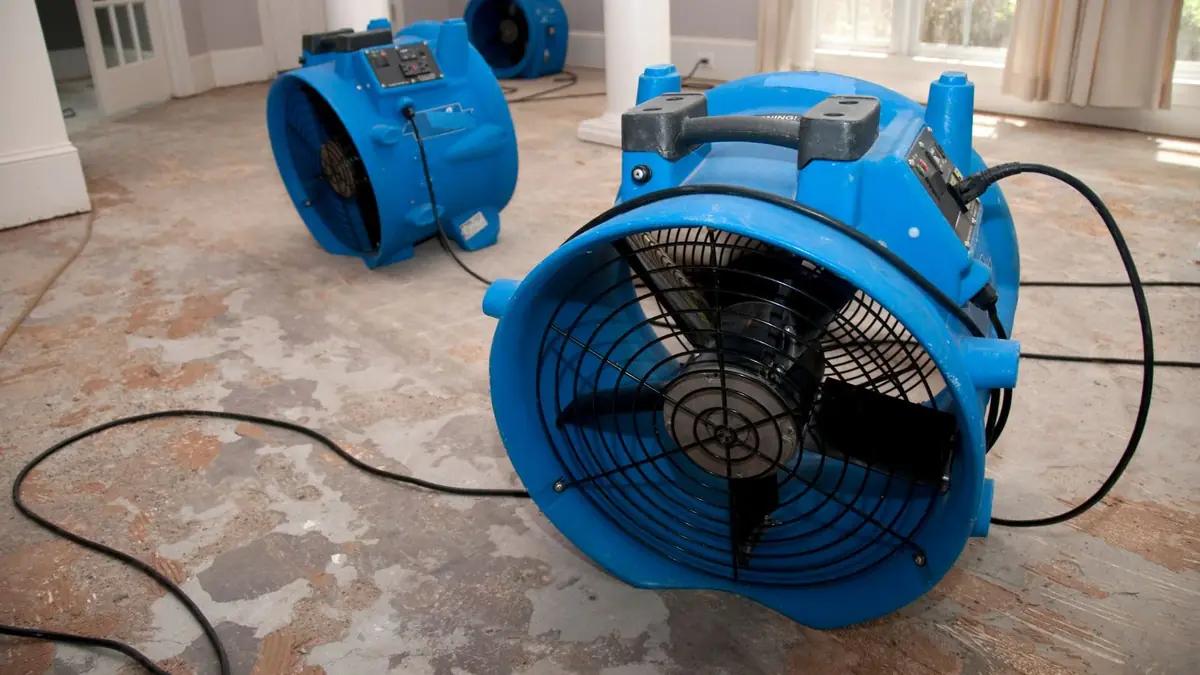
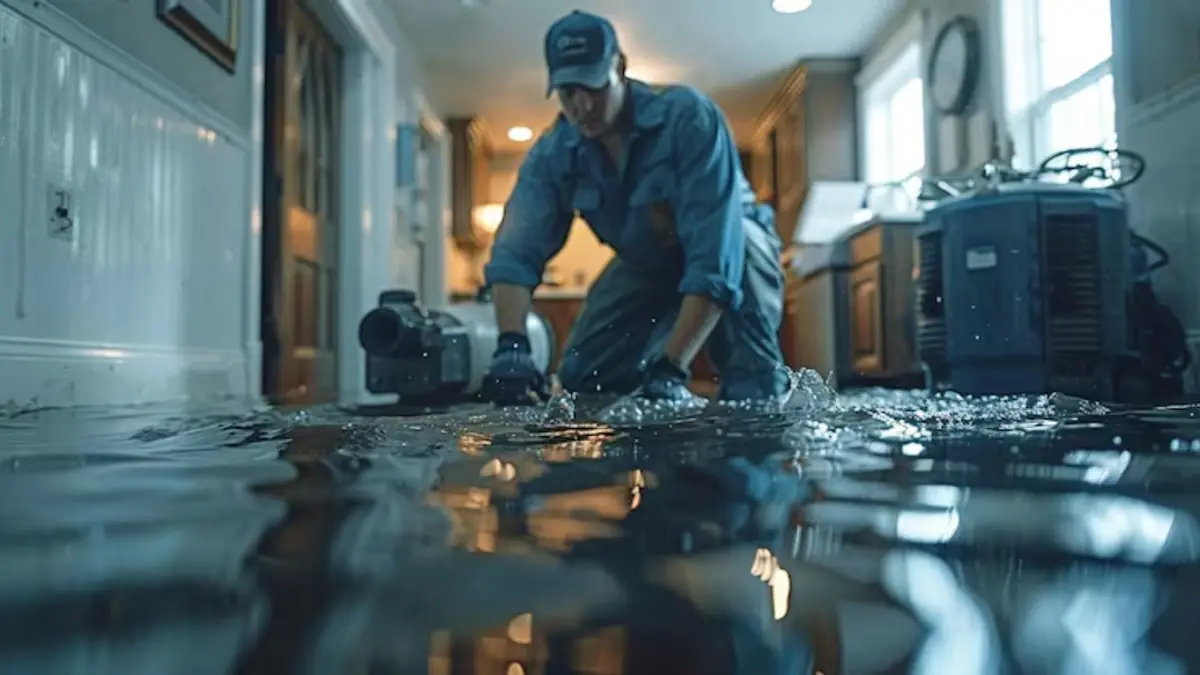
Cleanup in a below-grade space starts with extraction, often with submersible pumps. Next, wet drywall, carpet, pad and stored belongings are removed, walls are opened where moisture hides and the space is dried with air movers and dehumidifiers. The crew documents the drying so an insurer or a building manager can see the readings.
Flooding can return if the entry point is not fixed. Restoration is not waterproofing, and this line will tell you honestly when what you need is a drainage or foundation contractor. Ask for one after the space is dry.
Sewage backup cleanup
Sewage backups are Category 3 and need the strictest handling. Raw sewage can carry bacteria and other contaminants, so do not touch the water, do not use the affected drains and keep children and pets away. Stop using water in the building if a backup is coming up through a floor drain or tub.
The crew extracts the water, removes porous materials that sewage soaked, such as carpet, pad and soft drywall, and cleans and sanitizes hard surfaces and framing. Containment barriers may be set to keep contamination out of clean rooms. A plumber or the city handles the blocked line itself.
Ask your building manager or the City of Santa Monica Public Works whether the blockage is in the public sewer or in your own line. That answer tells you who must fix it, and it matters for an insurance claim.
Which flood water is handled how
| Water source | Category | Typical handling |
|---|---|---|
| Storm water through a door or garage | Category 3 | Extraction, removal of porous materials, sanitizing |
| Sewer or drain backup | Category 3 | Containment, removal of porous materials, sanitizing |
| Groundwater seeping through a slab | Category 2 or 3 | Extraction, moisture mapping, drying, sanitizing as needed |
| Water main or supply break | Category 1 at first | Extraction and drying, higher category if it sits |
What affects the cost of flood restoration
- Water categoryCategory 3 water needs more removal and sanitizing.
- Depth and areaHow deep the water was and how many rooms or levels it reached.
- MaterialsPorous materials soaked by flood water are usually replaced.
- Drying days and containmentEquipment, barriers and the days they stay in place.
- Rebuild scopeWhat is replaced once the structure has dried.
Flood damage is usually excluded from standard homeowner policies and needs separate flood coverage, while sudden and accidental plumbing losses are often covered. Check your policy and ask your insurer what applies to your loss.
Want your real number?
Scope and price are explained before work starts. Call the 24/7 line.
Flood response covers Santa Monica ZIP codes 90401, 90402, 90403, 90404 and 90405, plus Venice and Pacific Palisades. For drying after extraction, see water mitigation. If the water has already started to leave dark spots, mold remediation explains the next step.
QuestionsFlood damage restoration questions
Yes. The emergency line is answered 24/7, including holidays. A crew is sent the same day when one is available, and dispatch gives safety instructions on the call. No arrival time is promised, because storms and traffic change it.
Treat it that way. Flood water from outside or from a sewer is classed as Category 3 until a crew assesses it. Even a clean supply-line leak can worsen if it sits for days.
No. Restoration dries and repairs after water gets in. Waterproofing is a separate trade that keeps water out. If the cause is a drainage or foundation problem, call a drainage or foundation contractor after the space is dry.
Flood damage is usually excluded from standard homeowner policies and needs separate flood coverage. Sudden and accidental plumbing leaks are often covered. Check your policy or ask your insurer.
It depends on whether the blockage is in the public sewer or your own lateral. Ask your building manager or the City of Santa Monica Public Works, and tell them before work starts so the cause is on record.