
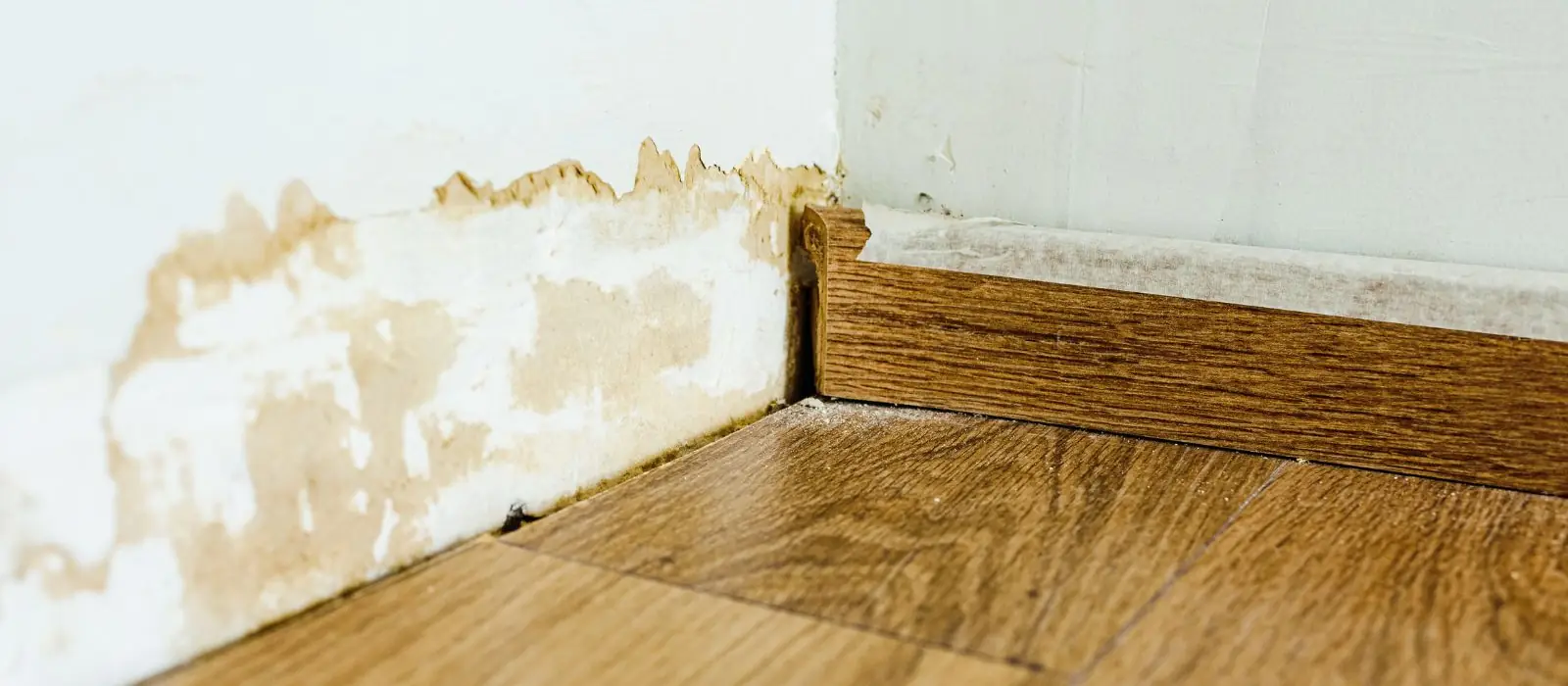
Water damage cleanup is what happens after the water has stopped and the standing water is out. It is also an emergency service in the first 48 hours, because wet debris, soaked carpet and contaminated surfaces start to break down quickly. The 24/7 line is open, and a crew is sent the same day when one is available.
Cleanup is different from drying and from rebuilding. The job here is to remove what cannot be saved, clean and sanitize what can, and leave the space ready for either drying or repair. While you wait, keep people and pets out of any dirty water and avoid moving soaked materials by hand.
Why the first 48 hours matter for cleanup
Wet materials give off moisture and odor, and some of them hold contaminants. Carpet pad, upholstery and cardboard soak up water like a sponge and become a source of smell and bacteria. A crew sorts these out first, before they spread the problem to materials that could have been saved.
In multi-story buildings, a slow cleanup also means water continues to travel to units below. Tell the building manager about the loss and ask neighbors to check ceilings, especially in the apartment buildings near downtown Santa Monica and along Ocean Avenue.
What cleanup includes
Debris and soaked materials
Wet carpet, pad, soft drywall, insulation and contents that cannot be dried in place are removed and bagged.
Surface cleaning
Hard surfaces, framing and floors are cleaned of silt, dirt and residue left by the water.
Sanitizing
Antimicrobial treatment is applied where the water category calls for it.
Deodorizing
Odor sources are removed first, then air and surfaces are treated.
The category of water decides how aggressive the cleanup has to be. Water from a clean supply line is handled differently from gray water out of a washing machine, and both are handled differently from sewage. The crew identifies the category on site and explains what it means for your materials before work starts.
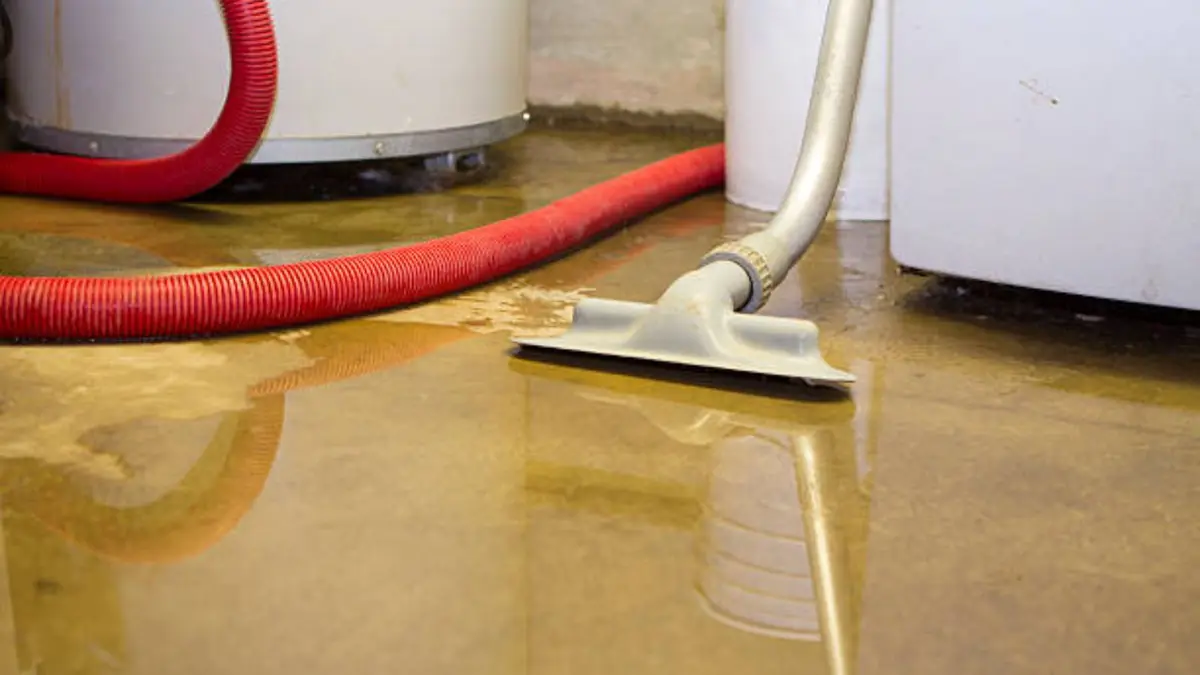
What can be saved and what usually cannot
| Material | Clean water | Contaminated water |
|---|---|---|
| Carpet pad | Often removed | Removed |
| Carpet | May be dried in place if caught early | Usually removed |
| Drywall | Often dried if only the lower portion is wet | Wet sections removed |
| Hardwood floors | Can often be dried with special systems | Often removed |
| Insulation | Often removed if it is saturated | Removed |
These are general patterns and not a promise about your home. The crew checks each material with a moisture meter and by inspection, then tells you what is realistic.
Safety before cleanup
Contaminated water needs protection
If the water came from a sewer, a toilet with solids or a flood, avoid direct contact and keep people and pets away. Wear waterproof gloves and boots if you must enter, wash hands afterward, and leave the cleanup to the crew. Check for electrical hazards before entering any wet room.
Santa Monica's water system serves up to 75 percent local groundwater treated at the Arcadia Water Treatment Plant, according to the city's 2025 water quality report, so a leak from your own plumbing starts as clean water. The risk rises as water sits, soaks through dirty surfaces and picks up what is on the floor.
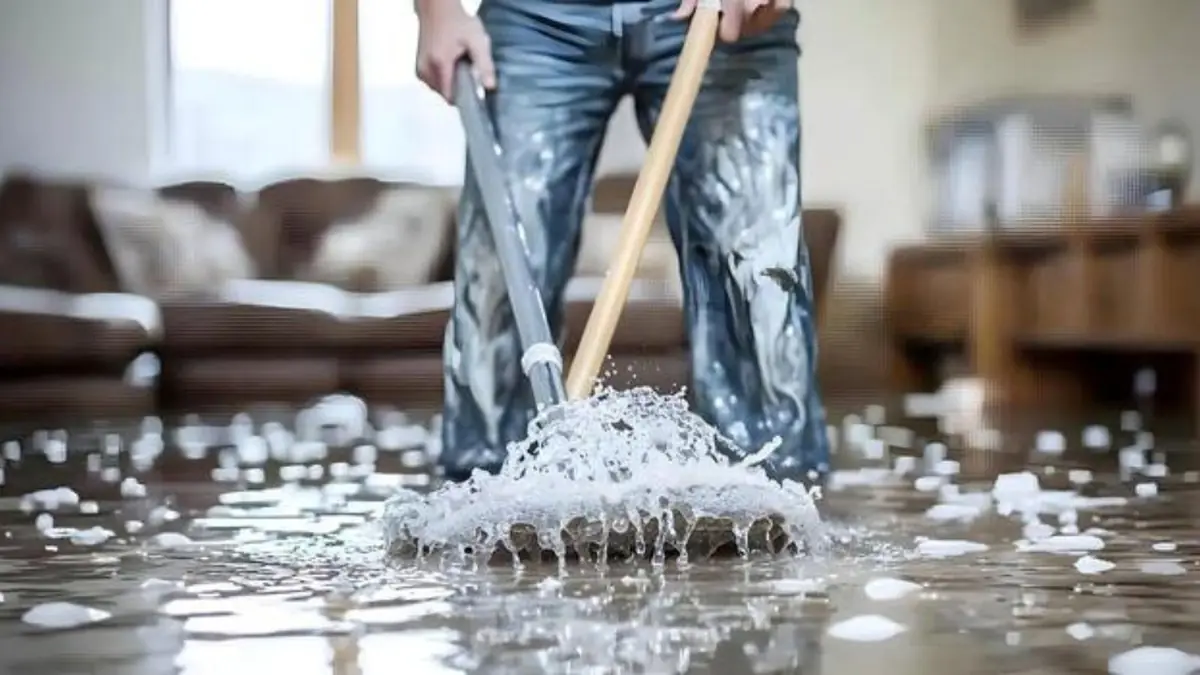
What affects the cost of cleanup
- Water categorySanitizing and disposal steps rise with the contamination level.
- Affected areaHow many rooms and square feet need debris removal and cleaning.
- Materials removedCarpet, pad, drywall and insulation each add labor and disposal.
- Drying needed afterWhether drying equipment is required once cleanup is done.
- Rebuild scopeWhat is replaced after the space is cleaned and dried.
Sudden and accidental water damage is often covered by homeowner and renter policies, while gradual leaks often are not. Flood damage usually needs separate flood coverage. Check your policy or ask your insurer, and photograph the damage before anything is removed.
Ready to talk scope?
The crew explains scope and price before work starts. Call the 24/7 line.
Cleanup crews serve Santa Monica ZIP codes 90401, 90402, 90403, 90404 and 90405, plus Venice and Pacific Palisades. If the structure is still wet, water mitigation dries it. If a leak kept going for days, check the mold remediation page as well.
QuestionsWater damage cleanup questions
Yes. The emergency line is answered 24/7, and dispatch sends a crew the same day when one is available. If the water has been sitting, call right away. Cleanup gets harder as materials soak and odors set in.
Cleanup removes wet debris and contaminated materials and cleans surfaces. Mitigation dries the structure with equipment. Repair rebuilds what was removed. Most losses involve all three in that order.
No. Hard surfaces and many solid materials can be cleaned and dried. Porous items like carpet pad, upholstery and cardboard are the ones most often discarded, especially after contaminated water.
Odor usually comes from materials that stayed wet. The crew removes the source, dries the area and applies deodorizing steps. A smell that returns after cleanup often means moisture is still trapped inside a wall or floor.
Take photos first, then limit yourself to safe steps such as lifting valuables off wet floors. Do not move soaked materials or use household fans on contaminated water, which can spread it.