
There is no honest flat price for water damage restoration. The same burst pipe can cost very little to dry in one house and a great deal to dry in another, depending on what the water touched and how long it sat.
This guide explains what moves the price, how a scope of work is built and what to ask. It does not publish dollar ranges, because a range pulled from other places would mislead you. A real number comes from someone seeing the damage and measuring it.
The five factors that set the price
- Water categoryClean, gray and black water require different cleaning, disposal and protective steps.
- Affected areaThe square footage and the number of rooms and floors the water reached.
- Materials involvedCarpet, pad, drywall, hardwood, insulation and cabinetry each dry or fail differently.
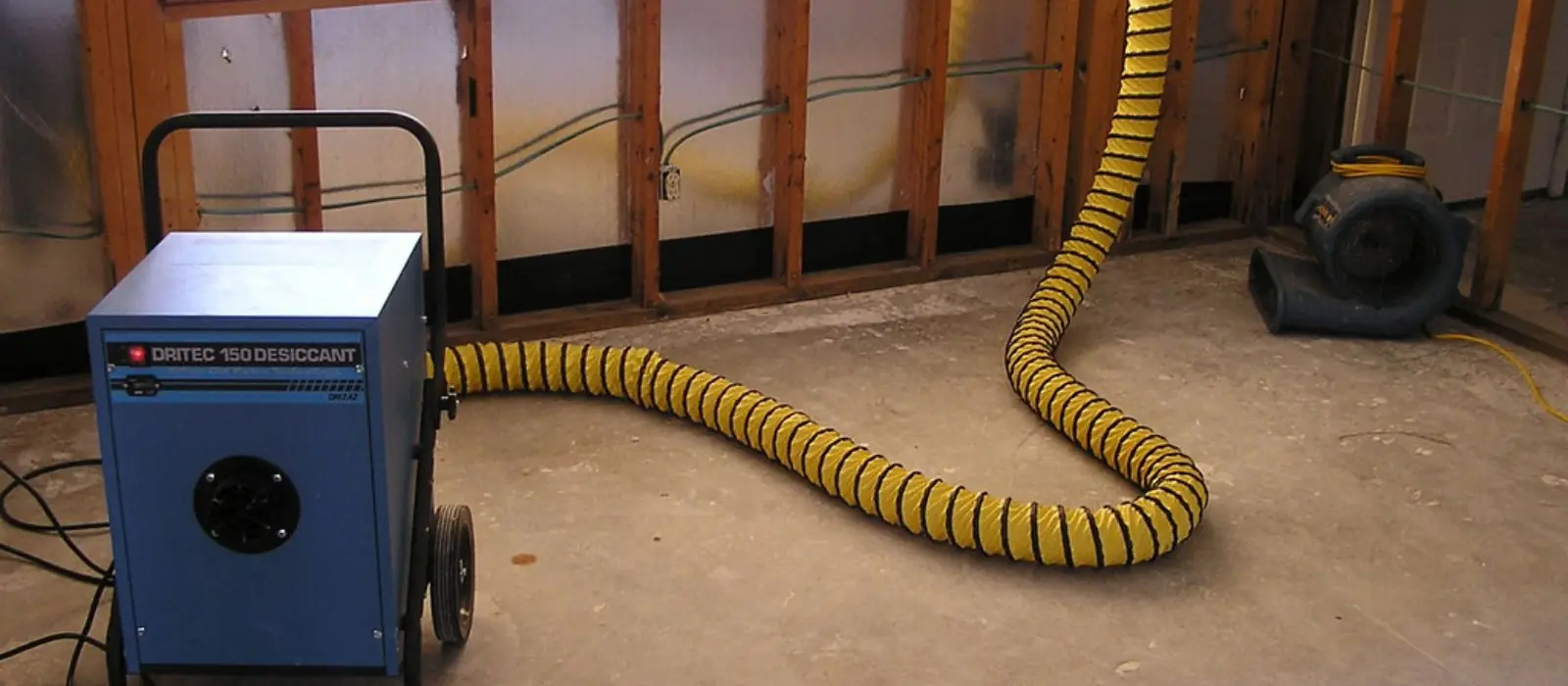
- Drying days and equipmentHow many air movers and dehumidifiers run and for how many days.
- Rebuild scopeWhat is replaced and refinished once the structure is dry.
Time also matters. Water left alone moves into more materials and can climb to a higher category, which widens the scope. Calling the 24/7 line early is the most effective way to keep a loss small.
How a scope of work is built
The crew starts with a moisture map. Moisture meters and a thermal camera show how far the water went, including behind walls and under floors. That map decides what can be dried in place and what must be removed.
The scope then lists each room, the materials removed, the equipment placed and the rebuild steps. A good scope is specific enough that you can compare it to another company's. Ask for it before work starts.
Where the money goes
| Stage | What it covers | What changes the cost |
|---|---|---|
| Extraction | Pumps and extraction units remove standing water | Depth, area and access |
| Drying | Air movers, dehumidifiers and monitoring visits | Equipment count and days |
| Cleanup | Debris removal, cleaning, sanitizing | Water category and materials removed |
| Repair | Drywall, floors, paint, trim and cabinets | Finish grade and the size of the rebuild |
Questions to ask before you agree
- Is the scope written, room by room?
- Which materials are being removed and why?
- How many pieces of drying equipment will run and for how many days?
- Will I see moisture readings before the equipment is pulled?
- Does the crew work to ANSI/IICRC S500, and who will do the rebuild?
Be wary of any price quoted over the phone without a site visit, and of any company that cannot explain what the number includes. Ask whether the line between mitigation and repair is clear in the paperwork.
Insurance and the price
Many losses are handled through insurance, and the scope of work is the document insurers usually ask to see. Sudden and accidental water damage is often covered. Slow leaks and neglect often are not, and flood damage usually needs separate flood coverage.
Check your policy or ask your insurer before you sign a work authorization. See water mitigation for how drying is documented, which helps your claim.
Ready for a real number?
Scope and price are explained before work starts. Call the 24/7 line.
How the factors combine: two examples without prices
Picture a clean supply line that splits under a kitchen sink and is caught within an hour. The water is Category 1, one room is affected, the floor is tile and the cabinet toe kick is the only porous material. Extraction and a short drying run may be most of the job, and there is little to rebuild.
Now picture a washing machine hose that fails while no one is home, and the water runs overnight. It reached three rooms, soaked carpet and pad, wicked up the drywall and began to turn gray. That job needs emergency water removal, several days of drying equipment, removal of porous materials and a larger rebuild.
Neither example has a price attached because the same leak in two homes can land anywhere in between. What the comparison shows is the pattern: the factors multiply, and early action keeps each one small. A written scope from water damage cleanup and drying crews is how those factors become a number you can check.
Santa Monica local note: permits and records
Permit rules vary with the repair, so ask the City of Santa Monica Building and Safety division whether your work needs a permit and who will pull it. A permit can add steps and time, and it affects the scope.
The California Department of Insurance advises policyholders to keep copies of correspondence and a record of phone calls and letters after a loss. Its residential claims guide is a good place to start, and your cost records belong in that file.
If your home is in Venice or Pacific Palisades, the same cost factors apply, but permits run through the City of Los Angeles rather than Santa Monica.
Questions homeowners ask
Because the same job can vary widely with water category, area, materials and drying time. A price list would look precise while hiding the factors that matter. A scope tied to your property is the honest alternative.
It can. Water spreads into more materials and may worsen in category, and wet materials that could have been dried may need removal. Calling early usually keeps the scope smaller.
Not necessarily. A small unit with a ceiling leak can need more work than a large room with a clean spill. The factors are the same, and the building may add access and coordination steps.
Yes. It is the main tool for comparing companies and for supporting an insurance claim. The line explains scope and price before work starts.